


Two Paths, One Choice: What Happens When You Take Control of Your Type 2 Diabetes
See how a single decision about GLP-1 treatment at the doctor's office changed this person's life over six months
Type 2 diabetes rarely travels alone. It often shows up alongside heart, kidney, and liver conditions–the cluster known as metabolic syndrome–and in the early stages, there are no symptoms. Without symptoms pushing you to act, it’s easy to put things off, skip doses, or leave appointments feeling like there’s no rush. But the damage keeps moving in the background, and preventing complications early is far more effective than trying to slow them down later. The good news is the opposite is also true: the earlier you engage, the more you can protect. Staying curious about your health, understanding what today’s treatments like GLP-1s can do, and advocating for care that fits your life is what turns a diagnosis into a plan. And if you’re not where you want to be right now, today is just a starting point!
Did You Know?
9 out of 10
Adults with type 2 diabetes are living with overweight or obesity – the same underlying condition that GLP-1 medications were originally designed to treat.
up to 85%
Studies suggest up to 85% of adults with type 2 diabetes also have metabolic syndrome–the cluster of conditions that quietly raises the risk of heart, kidney, and liver damage. Managing diabetes means looking at the whole system, not just one number on a lab report.
1 in 4
Only about 1 in 4 adults with diabetes in the U.S. are meeting the combined care goals for blood sugar, blood pressure, and cholesterol. If you’re not where you want to be yet, you’re in good company–and there’s plenty you can do right now to move the needle.
4X
Adults with type 2 diabetes are about four times as likely to develop heart disease or have a stroke compared to adults without diabetes. Heart disease is also the leading cause of death in people living with type 2 diabetes, which is why protecting your heart early gives you the most runway.
1 in 3
About 1 in 3 adults with diabetes has chronic kidney disease, and many don’t know it until it’s advanced. Kidney damage builds silently for years, which is why regular screening and early treatment can make a meaningful difference in how things progress.
9 out of 10
Adults with type 2 diabetes are living with overweight or obesity – the same underlying condition that GLP-1 medications were originally designed to treat.
1 in 4
Only about 1 in 4 adults with diabetes in the U.S. is meeting the combined care goals for blood sugar, blood pressure, and cholesterol. If you’re not where you want to be yet, you’re in good company–and there’s plenty you can do right now to move the needle.
up to 85%
Studies suggest up to 85% of adults with type 2 diabetes also have metabolic syndrome–the cluster of conditions that quietly raises the risk of heart, kidney, and liver damage. Managing diabetes means looking at the whole system, not just one number on a lab report.
2X
Adults with type 2 diabetes are about twice as likely to develop heart disease or have a stroke compared to adults without diabetes. Heart disease is also the leading cause of death in people living with type 2 diabetes, which is why protecting your heart early gives you the most runway.
1 in 3
About 1 in 3 adults with diabetes has chronic kidney disease, and many don’t know it until it’s advanced. Kidney damage builds silently for years, which is why regular screening and early treatment can make a meaningful difference in how things progress.
In our video, the version of Jeremy who walked out of the waiting room didn’t feel any worse that day because complications in type 2 diabetes build silently, which is why being proactive, showing up, asking questions and taking your condition seriously matters so much. It’s never too late to take control of your diabetes and the sooner you do, the sooner you can be on your way to living a long healthy life with diabetes.



Can we Type 1’s get some of that good weight loss drug?
Right now it’s off label for type 1s, but hopefully it will be approved in the not too distant future!
Using it for 2 years, excellent numbers as a result but weight loss has plateaued. Do I increase the dose?
Glad to hear that you’re having great results! Any medication or dosage changes should be discussed with your healthcare team.
What about the new oral GP-1’s can I obtain similar results without ironing the injectable’s?
The oral GLP-1s are almost as effective as the injectables, and a good way to start for many people. If you don’t get to the weight you want on the orals, you can always switch to injectables later on.
Is it too late to be helpful to me? Tt2D and CKD STAGE 3b? I really need answers… and which profduct would be best for me?oral or one of the pens?
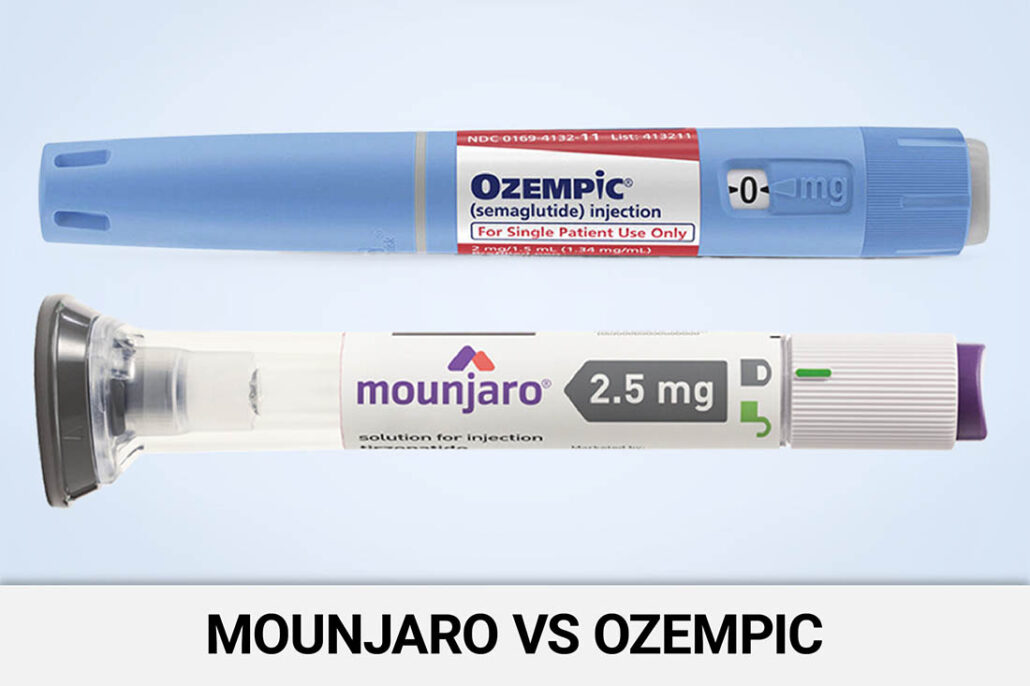
Generally speaking, these drugs would be very helpful for you because they have been shown to reduce the progression of CKD, as well as help with weight and glucose levels. The drug that was officially approved by the FDA for kidney disease is Ozempic, so that might be the best for you. They do make Ozempic tablets now, so either one would be fine, but speak with your healthcare provider to determine the best treatment options.
I use glimiperide. I am having BP problems, sleep
problems and have been gaining weight.
To be honest, I am pretty bad about sticking to my
diet. I pay some attention to avoiding sugar but
also eat ice cream and occasionally other sweets and desserts.
I know it is possible to not have type2 diabetes any more but I do not know how to do this. I am an older person and would like to address this. THANKS.
Your best chance is getting on a GLP-1. Studies have been done with people who have type 2 diabetes going on these medications and reverting back to a prediabetes state, and even back to “normal”. This is very hard to do on your own. I’m not your doctor, so talk to your healthcare provider about whether these medications would be right for you. It doesn’t matter which GLP-1 you go on – they all work well.
Good Morning Dr. Edelman I have Dibetes Type 2 since
my mom died since September 6, 2006 but my dad had
diabetes too which had a stroke for 13years I had to take care of in the hospital bed to help my mom also I had to always rush him out for his breathing to hospital but he died 5 days before my birthday on April 16 2000
it was around holy Wednesday we had to buried him on
Holy Thursday because no buried on Good Friday it was very had for my mom, me, son, also I had my little
daughter to raise but I did every think to help mom then I had to get my mom an homemaker with a nurse she got dimension then she got Alzheimer which her mom had it too I remember this was very hard for me to
accept this I was teenage so I had to go to Pennsylvania to stay had her house there to see all her
my family members there which was her brothers & sisters with there children after they buried my grandma there. So I got diabetes after she died I to the
clinic to get help for it also was very hard for me to this
I had to raise my little girl, also do things as cooking for
my husband, then feed them too.
So today I have diabetes type 2 since 2006 which is twenty years which I’m watching what I eat every meal
today. I have one problem which I really want to help my self because I keep getting UTI infection & also have my left lung damage from treatment I do pumps
when ever I need them. I get a ring in my eyes which
doesn’t go away which I have to go to the doctor
ENT to get check for it. I watch my high blood pressure, diabetes, eating my special my special
food every day. I had high pressure to which I take
pills everyday.
Right now I’m taken care my husband with prostate
cancer very difficulty to deal with he has it since September 2005 now he is under the care of urinalysis
doctor his level was 24 then he told him to go to this
hospital which they had a cancer unit there he got radiation 28 days which I couldn’t go I had to stay home to take care of my diabetes. He had to get hormone shot, watch what he eats which I take good
care of his food, watch his urine etc.
On Wednesday this week he is going for
follow up with doctor which I’m going with him to see
how his cancer during which I have my hand full dealing with him.
Well that’s about my story so please help me I really
appreciate it & thank you🫶
UTIs are not uncommon in women with diabetes. The first thing to do is make sure your glucose is under control, because that will increase your chances if it’s not. Secondly, there are urologists who specialize in this problem, so look for someone who has experience because there may be things you can do to reduce the amount of infections you have.