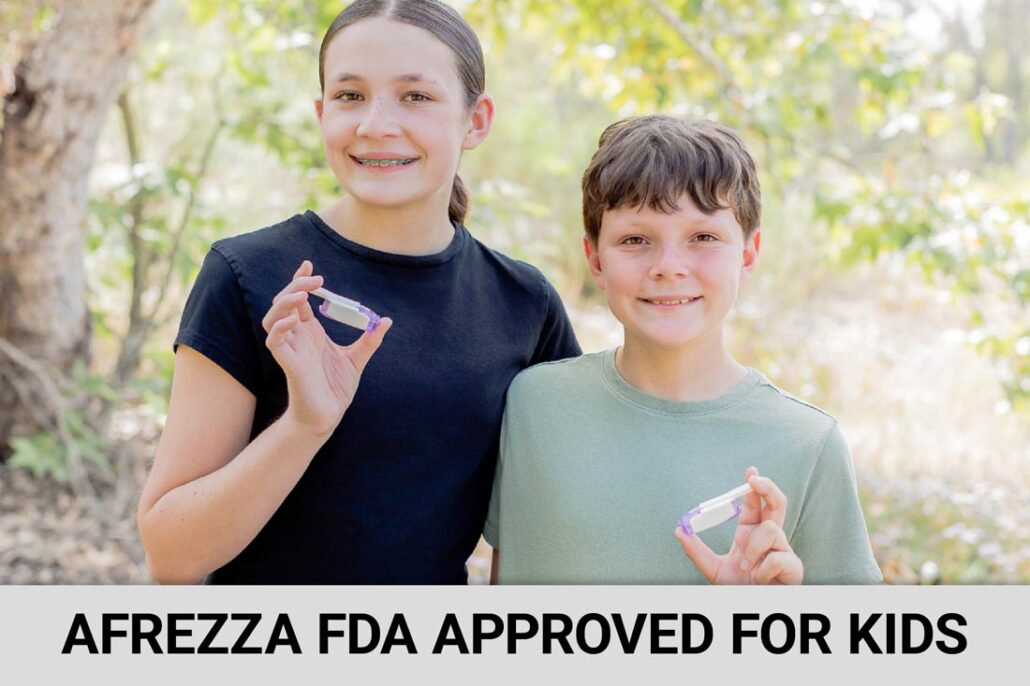
Mealtime bolusing remains one of the most stubborn gaps in pediatric type 1 diabetes (T1D) management, and data has long pointed to adolescents and young adults as the group struggling the most to reach A1C targets. The barriers include needle aversion, the social stigma of dosing in front of peers, and during sports and social events. In addition there is a narrow pre-meal timing window that a school day rarely accommodates. With a pediatric indication now extending inhaled rapid-acting insulin down to age six, prescribers have a new option to weigh to help their pediatric patients better manage their diabetes throughout the day. In this episode, an INHALE-1 trial investigator walks us through the study design, which includes the titration approach from subcutaneous insulin, the primary endpoints and the pulmonary safety data.







My endocrinologist will not write a prescription for it . Is there another way to get this . I’m type 1 diabetic. 19 yrs old
You should give your doctor another try to see if he or she will just let you try it. Show your doctor this video: https://www.youtube.com/watch?v=WXCwK2_NdT4 and see if they will give you that chance. If that doesn’t work and you still really want to try it, then you might want to consider switching to a different provider.
I have Afrezza, prescribed by my Endo, to bring highs down more quickly. I’m 80…T1D for 55 years.
That’s great! 🙌
I was in the trial group for this stuff over four years ago. It’s really great as far as how fast it responds and how flat it ends.
That’s it, my current doctor perceives that the minimum dosage “small dosage“ available is still a crazy high four units.
Have they lowered that and if so, how do I communicate that to my doctor? ??
In today’s resent study the doctor in the trials said they do have a 2 unit but in trials. I guess soon.