

Inhaled Insulin Afrezza for Kids as a More Convenient and Rapid Acting Alternative to Multiple Daily Injections: The Questions Parents Are Asking After the FDA Approval
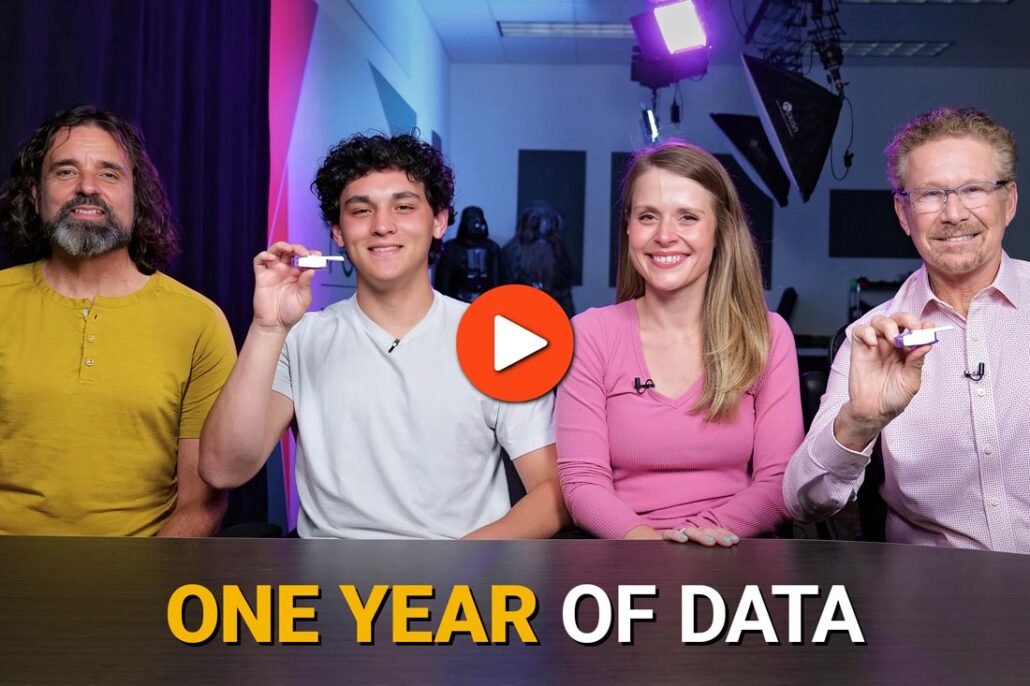
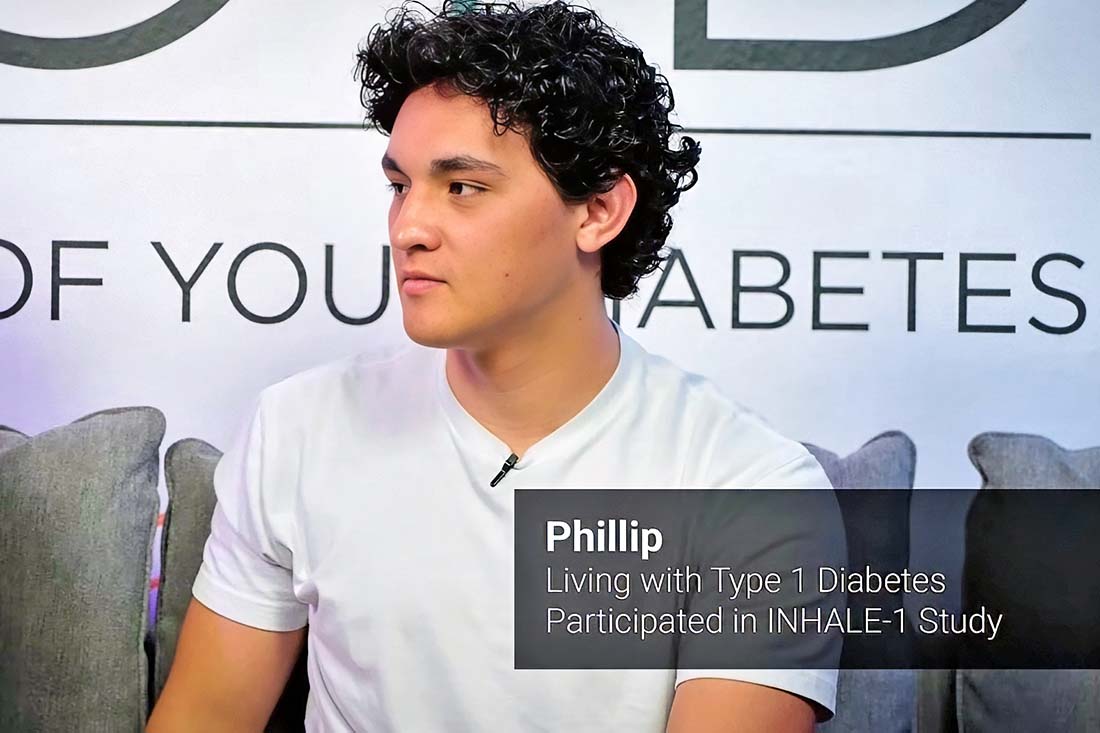
Pediatric endocrinologist and INHALE-1 study investigator Dr. Anna Cymbaluk joins Dr. Steve Edelman, pediatric study participant Philip, and his dad Jim to talk through what the approval of inhaled insulin means for families weighing their options for diabetes management.
With Dr. Steve Edelman (TCOYD founder), pediatric endocrinologist and INHALE-1 study investigator Dr. Anna Cymbaluk, study participant Philip, and his father Jim.
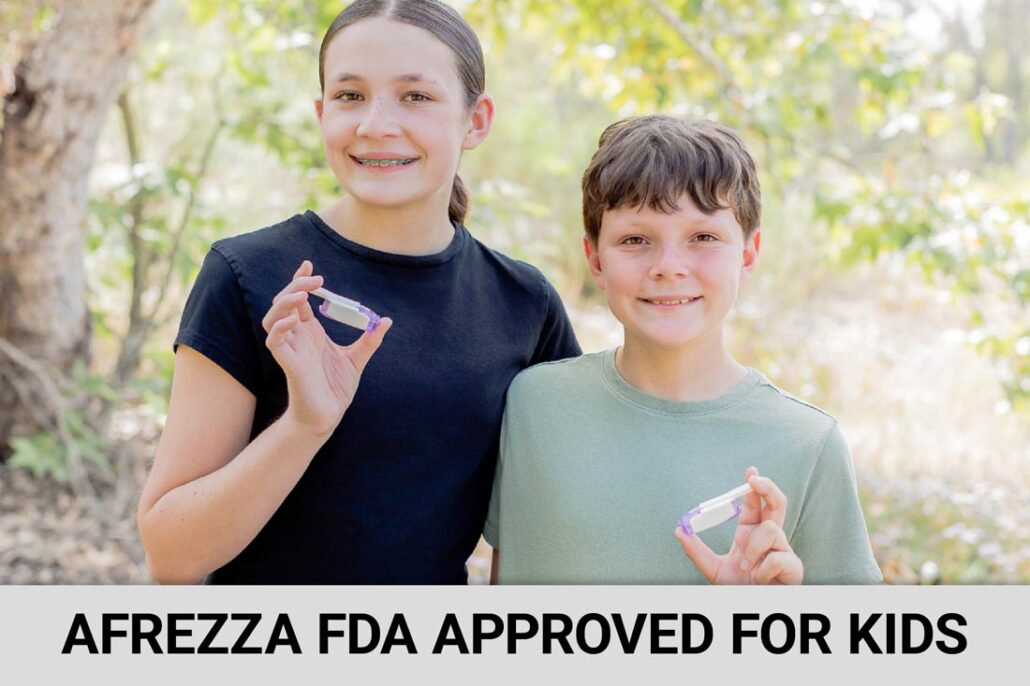
So much of living well with type 1 diabetes (T1D) comes down to timing, and mealtime insulin is where that timing gets hardest. Pre-bolusing twenty to thirty minutes before eating is something even the most engaged patients struggle to do consistently, and for a kid at a school lunch table with twenty minutes to eat and friends to keep up with, it can feel close to impossible. The recent FDA approval of inhaled insulin for children, adolescents, and teens ages 6 to 17 opens up a more convenient option around mealtime dosing, one that starts working in minutes and clears the system in 1 to 2 hours to avoid delayed hypoglycemia. This conversation brings together the clinical side and the lived side of inhaled insulin as an option for kids: a study investigator who followed a teenager in the study, a teen who used it through high school, and a parent who did his own homework for his son before saying yes. Together they get into the questions families tend to ask first, including the real benefits over subcutaneous insulin and any side effects on developing children.
inhaled insulin afrezza stats
10 to 12 minutes
How quickly inhaled mealtime insulin starts working, and because it moves in and out fast, it can be dosed as often as hourly.
About 1-2 hours
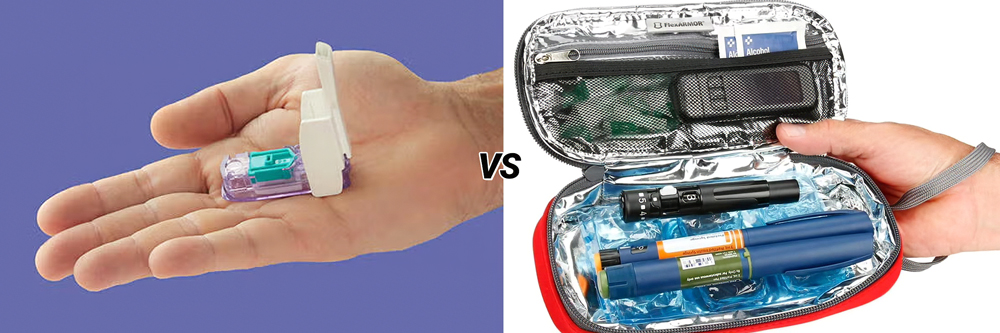
VS 3 to 4 hours – inhaled insulin clears the body in roughly an hour, compared with the 3 to 4 hour window of injected rapid-acting insulin, which is why injections call for more pre-meal timing.
over 10 years
Inhaled insulin has been FDA approved for adults since 2014, with ongoing post-market safety surveillance reported to the FDA.
LESS weight gain
Was reported in the inhaled insulin group compared with the injection group during the INHALE-1 pediatric study.
Higher treatment satisfaction
Kids using inhaled mealtime insulin in the INHALE-1 study reported greater satisfaction with their regimen than those on injections.
Dr. Anna Cymbaluk is a pediatric endocrinologist and a clinical investigator in the INHALE-1 study, the trial that supported the pediatric approval of inhaled insulin. Philip took part in the study during high school and is now an undergraduate at UC San Diego. Jim, Philip’s father, brings the perspective of a parent who researched the therapy closely before enrolling his son. Dr. Steve Edelman, TCOYD founder, endocrinologist, and a longtime person living with type 1 diabetes, hosts this enlightening conversation.
Hear More About Inhaled Insulin Afrezza
Pediatric View on the Inhaled Insulin approved for Kids!
What are the benefits of Afrezza for kids?
Teen's take on Inhaled Insulin Afrezza
FACTS About Inhaled Insulin Afrezza
- Inhaled insulin is fast on and fast off. It is absorbed almost immediately and clears the system quickly, allowing for dosing at the start of a meal or even after eating, instead of 20 minutes before, and for quick correction doses when the timing of a meal isn’t predictable.
- The approval was built on a pediatric study. The INHALE-1 study followed children and teens specifically, comparing a standard injection regimen against an inhaled mealtime insulin regimen and tracking glucose control, body weight, safety, and satisfaction.
- Lung function was monitored closely throughout. Researchers measured baseline lung function and at three-month intervals during the entire study. FEV1, the main pulmonary function marker used in this study showed no difference between injectable or inhaled insulin.
- Pediatric data mirrors what was seen in adults. Specialists point to more than a decade of adult use under FDA post-market surveillance, and showed no significant issues with lungs.
- It isn’t the right fit for everyone, and screening is part of the process. Inhaled insulin is generally not recommended for children with a recent history of acute asthma treatment, current cigarette smoking, or users of vapes.
- A short-lived dry cough was the most common side effect. Some people develop a dry cough when they first start, and for many, it eases with technique over time.
- It works on top of a long-acting basal insulin. Inhaled insulin covers mealtime and correction needs; a once-daily basal insulin stays part of the routine.
INTERESTED TO LEarn More about this topic?

When was the last time your child had to choose between eating with friends and timing insulin perfectly? Let us know in the comments below!
Supported by an unrestricted educational grant from Mannkind Corporation.




What can we do if our Endo is not willing to help us get this.. they say they have to research more.
Unfortunately this is what doctors say when they are ignorant about the issue. I would print out the INHALE-1 study (https://pmc.ncbi.nlm.nih.gov/articles/PMC12818954/) and give it to your doctor to review. Your doctor is also welcome to contact me at sedelman@ucsd.edu and I’d be happy to talk them.
How can adults start the inhaler
You need to have your doctor write you a prescription.
Can the adults use this insulina?
Please answer
Yes, Afrezza has been approved for adults since 2014.
Yes, Afrezza has been approved for adults since 2014.
My endo says she won’t approve inhaling a protein
I would give your doctor the information from the INHALE-1 study, and remind them that adults have been using Afrezza for 12 years without any pulmonary issues.
Is this available for adults?
Yes!
What’s the long acting insulin you’re supposed to use it with and you inhale that too or is that by syringe? Is it NPH?
Please reply, thank you!
I’m interested in trying is it expensive
Out-of-pocket costs vary depending on insurance. Reach out to your insurance company, or explore options on the MannKind website here: https://afrezza.com/paying-for-afrezza/
Does the medication have a long acting form like Lantus?
Nope, it’s just rapid-acting.
Interesting
Does this also benefit adults with type 1
My managed Medicare insurance plan just denied my endo’s script for Afrezza, saying it is not on their formulary. I am appealing this to the NYS Insurance Board, but need documentation (research-based articles) re: Adult T1D use with AID pumps (I use the Beta Bionics iLet & Dexcom G7 CGMs). Thanks.
Can you please email Lynne at lynne@tcoyd.org? We have a follow up question for you that would be best via email.
We reached out to our contacts at MannKind (the makers of Afrezza), and they said your physician can send a medical information request via this website https://mannkindmedaffairs.com/ to try to get the answers you are looking for.