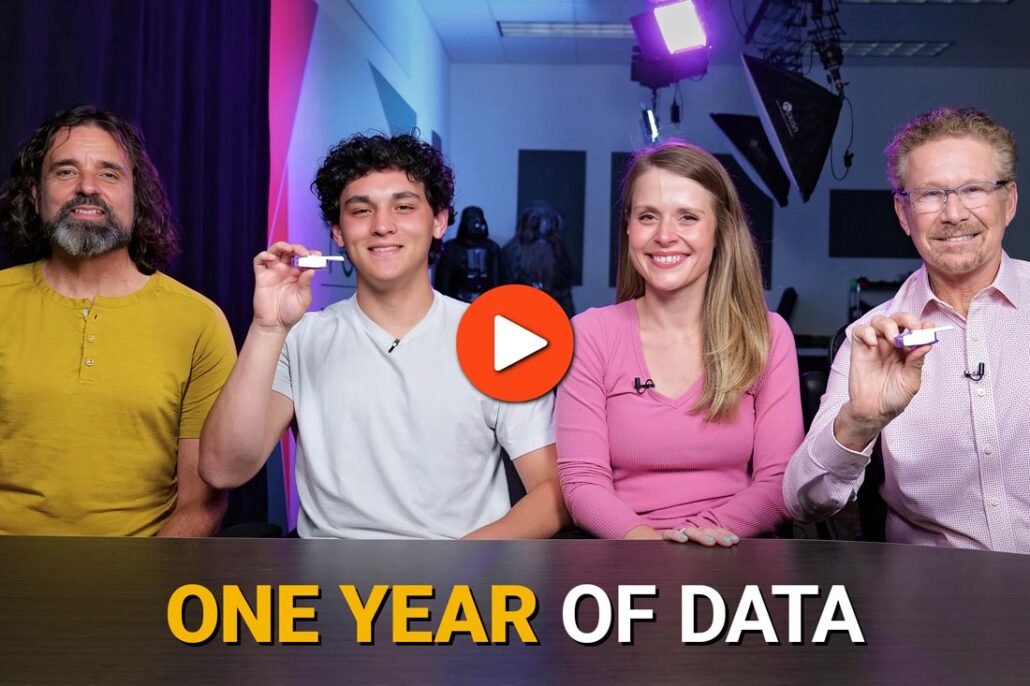
Continuous glucose monitoring (CGM) has been traditionally anchored in type 1 diabetes; however, there has is a growing belief among physicians that patients with type 2 diabetes can benefit as well. This is especially true for patients who need basal insulin as the next therapeutic intervention to improve control, a moment that often sits unaddressed for months and even years. With CGM data, we can safely and effectively initiate and titrate basal insulin—a process that usually takes months to implement using standard home glucose monitoring—while avoiding overbasalization. A CGM glucose profile provides concrete data showing overnight and fasting patterns, every dose change comes with feedback, and titration can be directed by the patient. In this video, Drs. Edelman and Pettus walk through how they use a CGM download to decide what therapy a patient needs, how they set and adjust a starting insulin dose, and where second-generation basal insulins and pump therapy fit in a care plan as type 2 diabetes progresses.






When can I get this to take?
Talk to Dr Edelman.
If you are on insulin, your doctor can prescribe a CGM for you. If you are not on insulin, there are over-the-counter CGMs you can purchase, like the Dexcom Stelo:
https://www.stelo.com
I would look at the fasting glucose trends.
Honestly I had a stroke last 7yeas
So sorry to hear that. If you have a question about anything, please let us know.
How can I get this to help with my diabetes?
Assuming you’re talking about a CGM, if you’re on any type of insulin, you are eligible for one. You need to advocate for yourself to get one, because it will help you in so many ways! If you’re not on insulin, you can still talk to your doctor and your insurance company, or you can buy one over-the-counter. Dexcom has a product called Stelo that is specifically for people with type 2 diabetes who are not on insulin.
I have type 2 since 2011 my last a1c is 7.
Congrats! That’s the goal!