

An Add-On Insulin Option: Positioning Inhaled Insulin Afrezza for Better Patient Care
Dr. Steve Edelman talks with a pediatric endocrinologist and INHALE-1 investigator about how the trial was built for a pediatric population, what the safety, efficacy and satisfaction data showed, and how inhaled insulin can complement the current regimens of her patients.
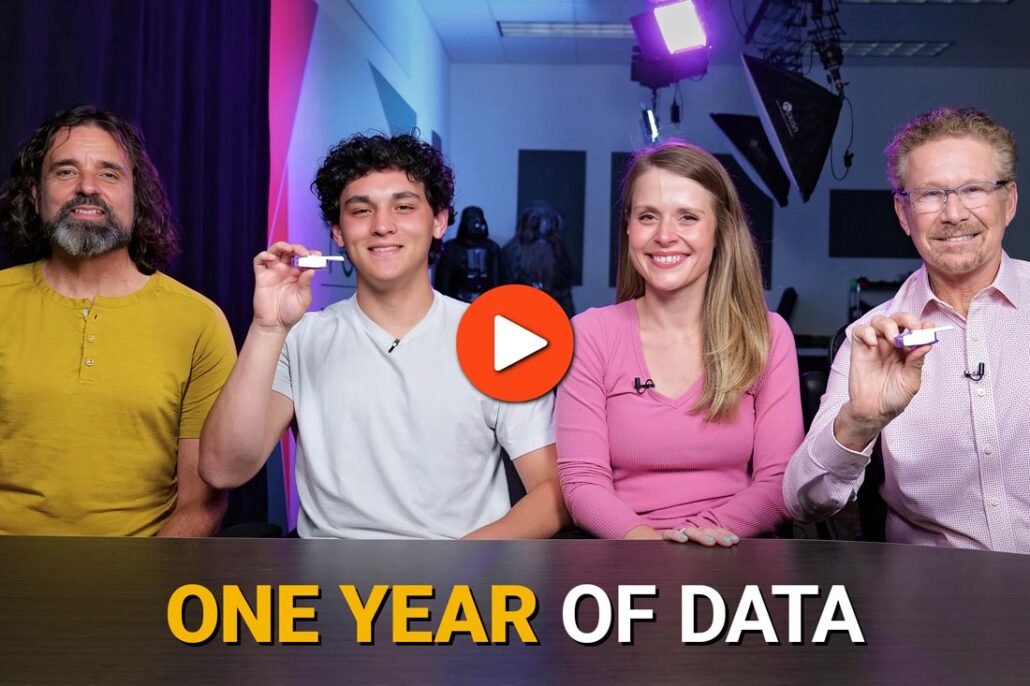
Dr. Steve Edelman, MD, in conversation with Dr. Anna Cymbaluk, pediatric endocrinologist at Rady Children’s Hospital and an investigator on the INHALE-1 study. This video was supported by an unrestricted educational grant from Mannkind Corporation.
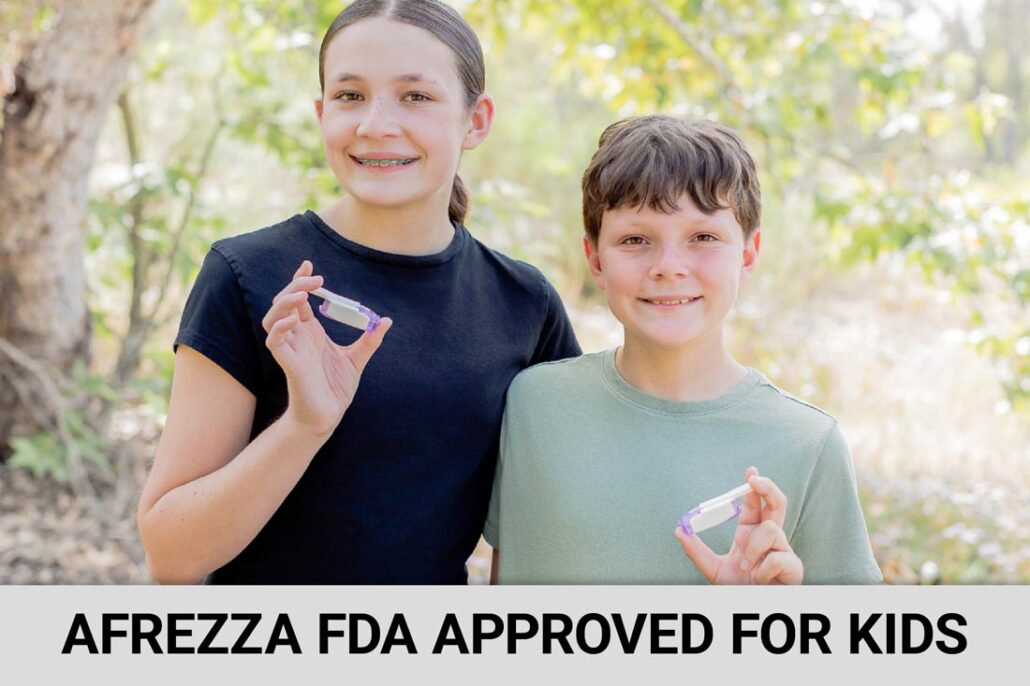
Afrezza’s recent FDA approval for children ages 6 and older gives yet another option to consider for your pediatric patients living with diabetes. But how could it fit into your patients’ diabetes management?
In this video, Dr. Steve Edelman is joined by pediatric endocrinologist Dr. Anna Cymbaluk, an investigator in the INHALE 1 trial, to review the research behind the approval, discuss the safety and efficacy findings, and explore how your patients might benefit most from inhaled insulin. The conversation also covers patient selection, counseling families, and how Afrezza can complement existing treatment approaches, including insulin pumps and automated insulin delivery systems. Rather than replacing current therapies, it offers another tool to help individualize care for your patients.
inhaled insulin afrezza stats
10 to 12 minutes
How quickly inhaled mealtime insulin starts working, and because it moves in and out fast, it can be dosed as often as hourly.
About 1-2 hours
VS 3 to 4 hours – inhaled insulin clears the body in roughly an hour, compared with the 3 to 4 hour window of injected rapid-acting insulin, which is why injections call for more pre-meal timing.
over 10 years
Inhaled insulin has been FDA approved for adults since 2014, with ongoing post-market safety surveillance reported to the FDA.
LESS weight gain
Was reported in the inhaled insulin group compared with the injection group during the INHALE-1 pediatric study.
Higher treatment satisfaction
Kids using inhaled mealtime insulin in the INHALE-1 study reported greater satisfaction with their regimen than those on injections.
Meet Our Guest

Dr. Anna Cymbaluk is a pediatric endocrinologist at Rady Children's Hospital and served as an investigator on INHALE-1, the trial supporting the FDA pediatric indication. In this conversation she covers both the protocol she helped run and how she has been applying the option in her own practice.
Here’s what you need to know about inhaled insulin approved for kids, before your next session with the family!
Pediatric View on the Inhaled Insulin Approved for Kids!
FACTS About Inhaled Insulin Afrezza
- Inhaled insulin is fast on and fast off. It is absorbed almost immediately and clears the system quickly, allowing for dosing at the start of a meal or even after eating, instead of 20 minutes before, and for quick correction doses when the timing of a meal isn’t predictable.
- The approval was built on a pediatric study. The INHALE-1 study followed children and teens specifically, comparing a standard injection regimen against an inhaled mealtime insulin regimen and tracking glucose control, body weight, safety, and satisfaction.
- Lung function was monitored closely throughout. Researchers measured baseline lung function and at three-month intervals during the entire study. FEV1, the main pulmonary function marker used in this study showed no difference between injectable or inhaled insulin.
- Pediatric data mirrors what was seen in adults. Specialists point to more than a decade of adult use under FDA post-market surveillance, and showed no significant issues with lungs.
- It isn’t the right fit for everyone, and screening is part of the process. Inhaled insulin is generally not recommended for children with a recent history of acute asthma treatment, current cigarette smoking, or users of vapes.
- A short-lived dry cough was the most common side effect. Some people develop a dry cough when they first start, and for many, it eases with technique over time.
- It works on top of a long-acting basal insulin. Inhaled insulin covers mealtime and correction needs; a once-daily basal insulin stays part of the routine.
INTERESTED TO LEarn More about this topic?

Which of your pediatric patients do you think might benefit from Rapid On / Rapid Off insulin? Let us know in the comments below!
Supported by an unrestricted educational grant from Mannkind Corporation.

WHY CANT ADULTS USE IT
Adults CAN use Afrezza! It has been approved for adults since 2014.