

Islet Cell Transplants for Type 1 Diabetes: Which Approach Gets Us There First?
Dr. Steve Edelman breaks down the latest islet cell transplantation data from the ADA 2026 Scientific Sessions, and the three very different therapies putting insulin-making cells back into the body.
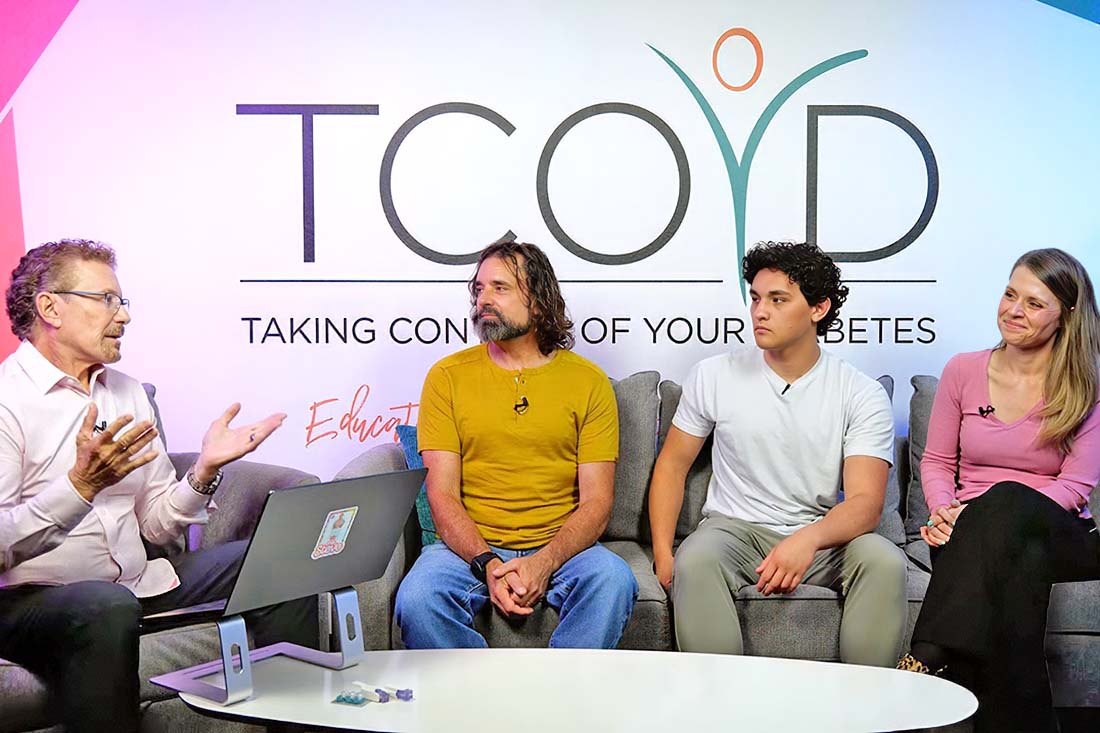
Featuring Steven Edelman, MD, endocrinologist, founder of TCOYD, and a person living with type 1 diabetes, with an update on islet cell transplantation.
For people living with type 1 diabetes, the idea of replacing the insulin-producing cells the body lost has moved from a distant hope to an active area of research with real momentum behind it. Staying proactive about your health means keeping an eye on where that science is heading, because the pace here has picked up considerably. Islet cells are the tiny clusters in the pancreas that produce insulin along with other hormones that keep glucose in balance, and researchers are now testing several ways to put working islet cells back into the body. Each approach has to answer the same set of questions: where the cells come from, where they go, and how to keep the immune system from attacking them. Some of the most closely watched updates in this space came out of this year’s ADA Scientific Sessions, and the differences between the leading programs are as interesting as the results themselves. This conversation walks through where each approach stands and what still needs to be worked out before any of them reaches the people who could benefit most.
by the numbers
10 years
This is a typical timeframe for a new therapy to move from discovery, through animal studies and three phases of human trials, to an FDA decision.
3 phases...
Of human clinical trials stand between a promising discovery and an FDA review.
Over 50 people...
Have taken part in the phase 3 program for the most advanced stem-cell-derived approach discussed in this update.
3 hormones
Islet cells produce insulin, amylin, and glucagon, not insulin alone, which is part of what makes replacing them so appealing.
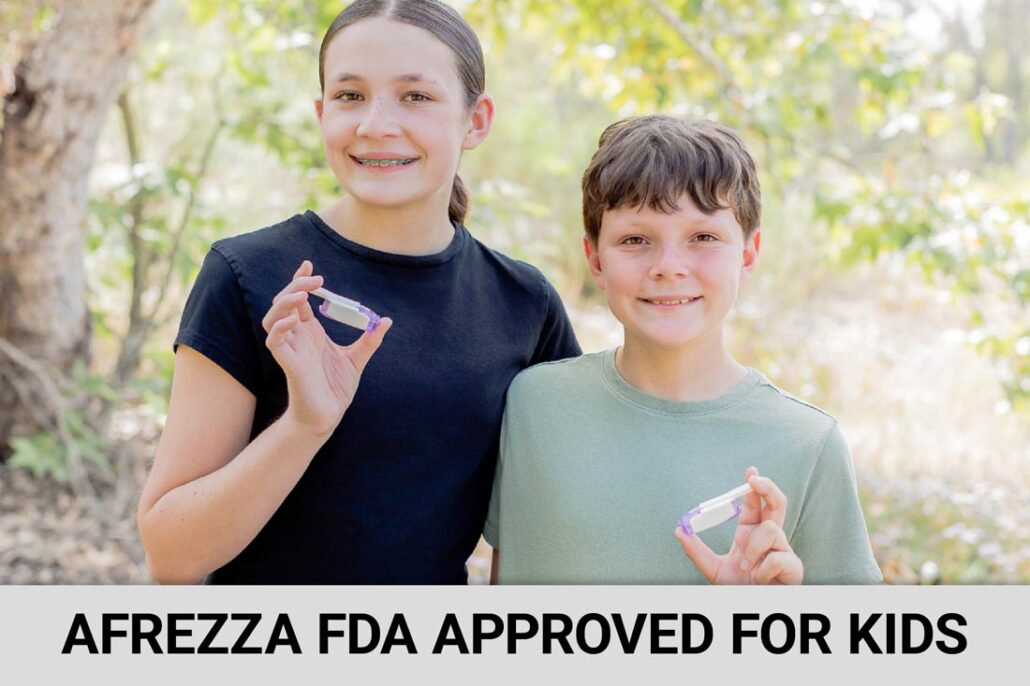
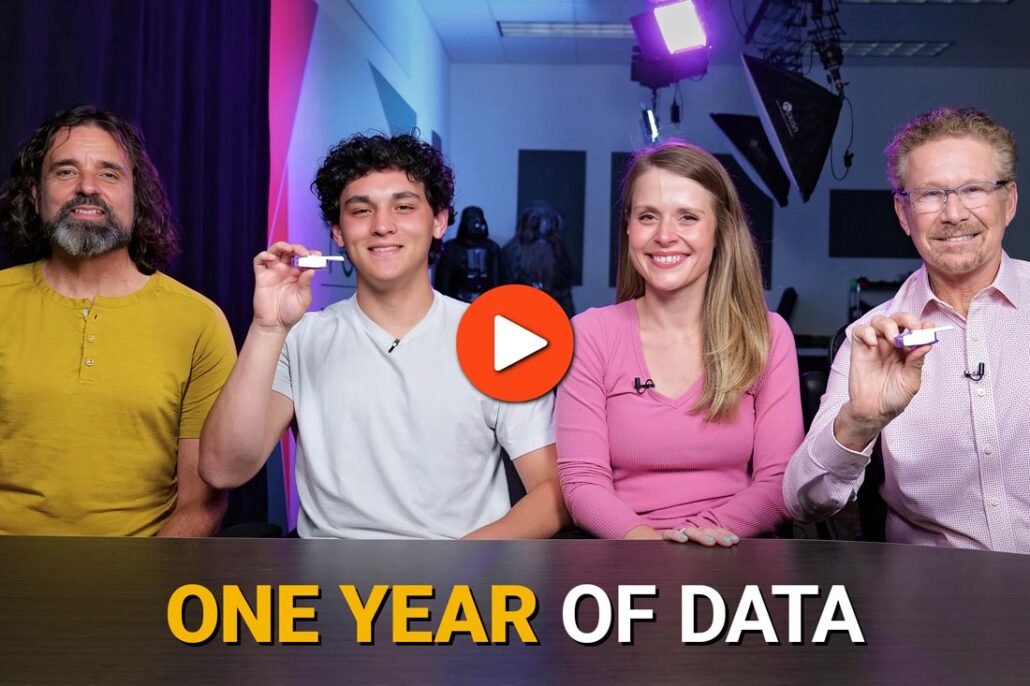
Hear More About Inhaled Insulin Afrezza
Pediatric View on the Inhaled Insulin approved for Kids!
What are the benefits of Afrezza for kids?
Teen's take on Inhaled Insulin Afrezza
Worth Knowing Before You Watch
- Islet cells do more than make insulin – they also produce hormones like amylin and glucagon that help the body manage blood sugar, which is why replacing the whole cell matters more than replacing insulin alone.
- The cells can come from two very different sources – donated tissue from deceased donors, which is a limited supply, or cells grown in the lab from stem cells, which offers offers unlimited access.
- Where the cells are placed matters – researchers are studying infusion into the blood vessel that feeds the liver, along with other sites like tissue under the skin and even muscle.
- The immune system is the central challenge – the body attacks transplanted cells, so every approach has to solve the problem of protecting them, and this is where the leading programs differ most.
- Durability is still an open question – even the most promising results raise the question of how long transplanted cells keep working, and that is one of the things researchers are watching very closely.
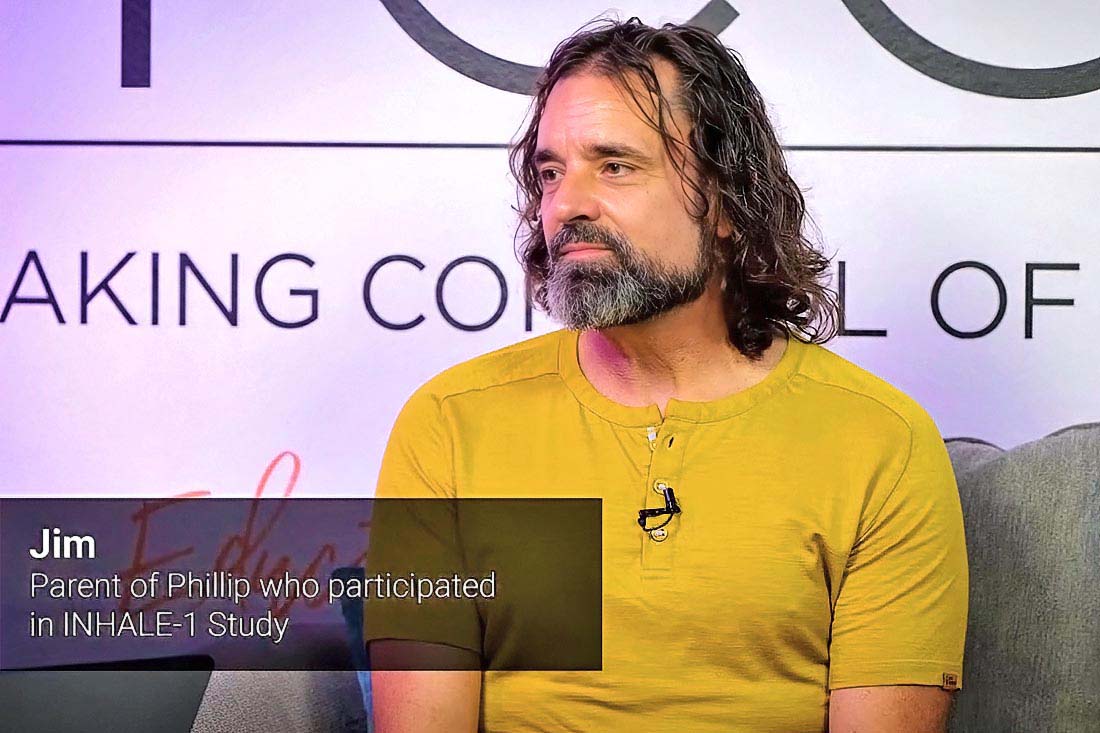
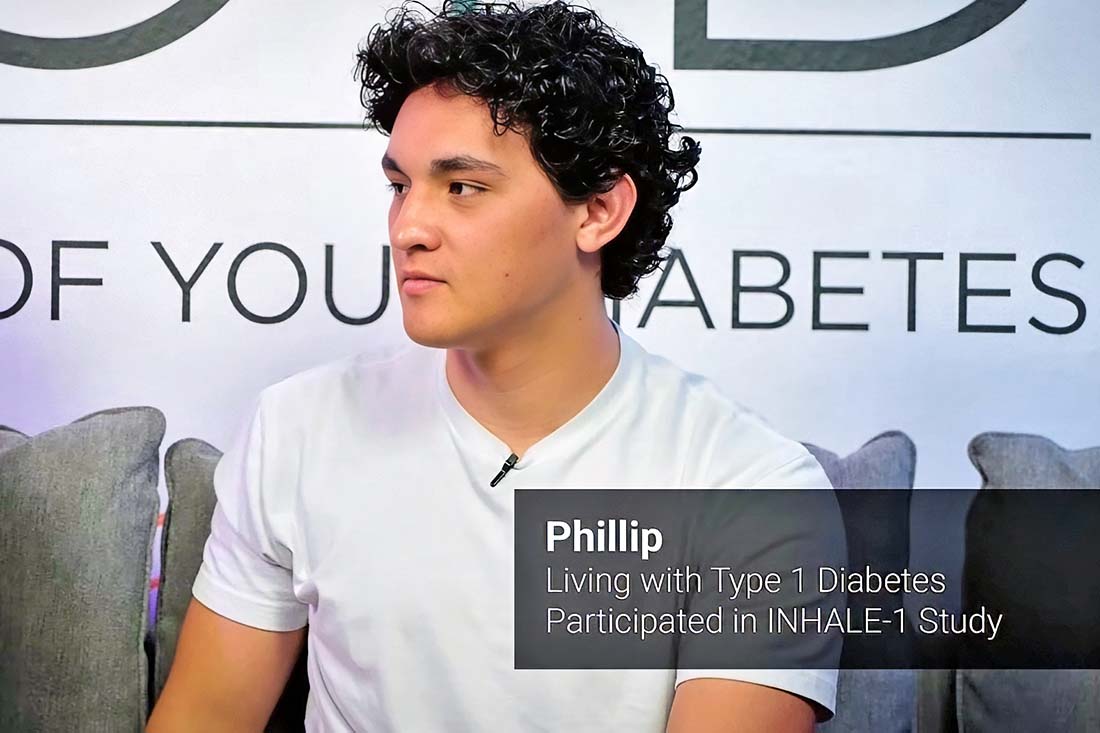
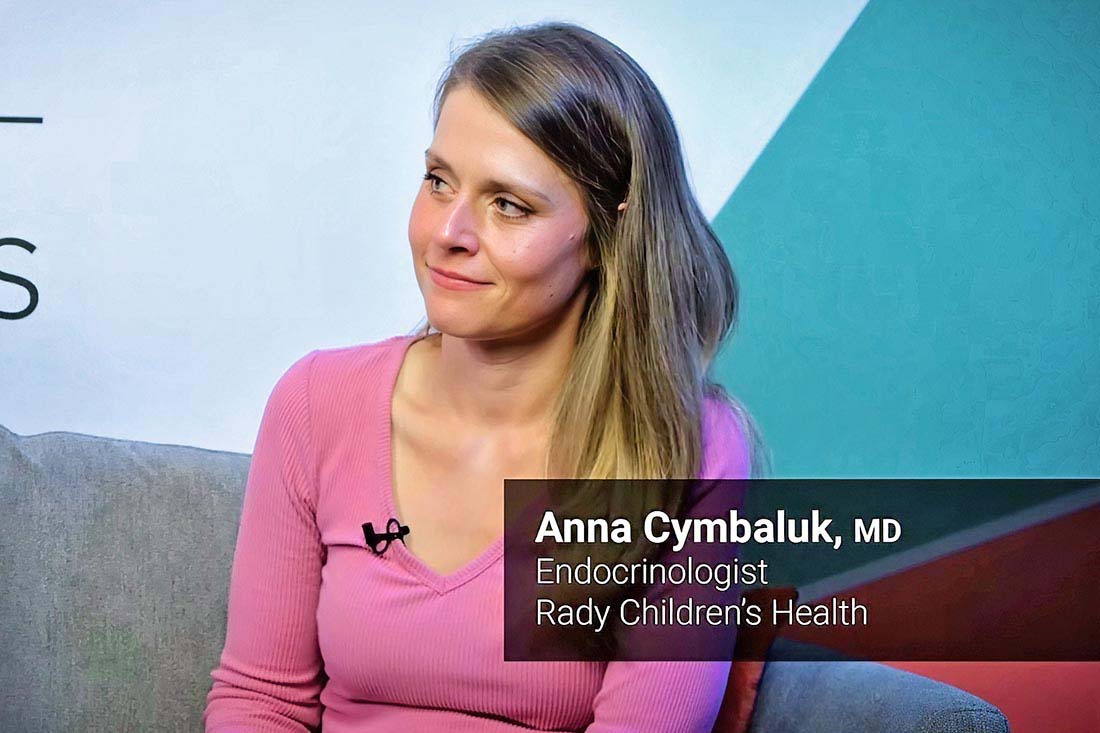
Dr. Anna Cymbaluk is a pediatric endocrinologist and a clinical investigator in the INHALE-1 study, the trial that supported the pediatric approval of inhaled insulin. Philip took part in the study during high school and is now an undergraduate at UC San Diego. Jim, Philip’s father, brings the perspective of a parent who researched the therapy closely before enrolling his son. Dr. Steve Edelman, TCOYD founder, endocrinologist, and a longtime person living with type 1 diabetes, hosts this enlightening conversation.
INTERESTED TO LEarn More about this topic?

If a therapy could reduce or remove your need for injected insulin, what would you want answered before considering it? Let us know in the comments below!
Supported by an unrestricted educational grant from Mannkind Corporation.

Hi Steve,
I just listened to the most recent information about Eledon and Tegoprubart.
You didn’t state how many patients they gave the Islet Cells to. Twelve patients and I think #13 has been done recently and 100% of them have been off insulin and they have had amazing results of how their kidneys are functioning better and all their test results are below 5.4.
This information is valid and should be stated as you stated this information with Vertex. But with Eledon you did not. I was just wondering why you have not stated the information that is so valuable and so amazingly positive for type one diabetics.
Thanks, Steve and Jeremy… Deborah
This is Polly Hess and I agree with your comment. Thank you for asking them about this.
You should watch the video again, because after I filmed it, I heard that all 12 out of 12 patients got off of insulin, so we added that in text to the video in big font. We tried to be as factual as possible with the information we had at hand at the time of filming. Appreciate your comment.
My choice would be the Sena Crispr technology. If they are in phase 1 of testing and show positive outcomes during trials, what is the projected availability? Are we looking at another ten years still?
Definitely not that long, as the FDA has given them a fast-track designation. So it could be before the end of this decade if they move fast!
I would agree that this technology seems the most promising if successful instages 1-3. Is there contact information on how to enroll in a study? Seems like a wonderful way to contribute to the effort.
You can look for actively recruiting clinical trials here: https://clinicaltrials.gov/ Good luck!
Where does the cells come from humans?
Eledon gets theirs from human donors – people who have donated their body to science after they pass away. It’s a very complicated process. Vertex and Sana use stem cell-derived islet cells, and with those, you can make a gazillion because they’re made in a lab.
Hi! With Vertex and Sano, very exciting except that a patient would have to be on the type of immuno suppressant that caused toxic side effects correct? If Eldon’s drug can be used instead is that a possibility? Thanks so much.
With Vertex, you do have to take immunosuppressants. Sana uses CRISPR technology which makes the islet cells invisible to the immune system so you would not need immunosuppressants. Eledon has a much safer immunosuppressant, but they currently use human donors (not islet cells made in a lab) and it’s a very complicated process.
Definitely Sernia.
I’m interested in Sena Crispr technology. What’s its ETA?
If they move quickly, it could be before the end of this decade!
Thank-you for your presentation. Sanna seems the safest bet going forward but they are a little behind. Hopefully things will play out quickly for them in the remaining human trials and this product will hit mass commercial production soon.
The FDA has recognized the importance of this research, and they have given all of the companies a fast-track designation, so I too hope it moves faster than traditional drug development.
I can’t think of anything more I’d want to know about Seno CRISPR stem cells in Uppsala, Sweden. I want to move there and be in their next clinical trial!!!!
Haha! Very exciting stuff for sure!
Sernia, very impressive that no immunosuppression drugs will be needed
Agreed…we’re very hopeful.
I might ask Sena Biotech whether the shot in the arm leaves a lump, and if a lump forms does it go away. Also, are there any allergic reactions to the injection? No matter what the answer is, I’d still be happy to be in the first phase trial. I’m not interested in the other approaches. –Patricia G
I do not believe it causes a lump, but I am not 100% sure. I’m not even sure where it’s going to be delivered at this point. But that’s the least of your worries! Also, I haven’t heard of any allergic reactions to the injection.
Wow, yes. I’m tired of hearing a cute is just around the corner. This seems promising and I’d partake in the study of i could find the offer. 43 years as a type one and I will hardly know what to do with no longer having to deal with hypoglycemia unaware and all the constant balancing with my tslim pump and dexcom!
Exactly…filling that time will be an amazing problem to have!😉
Sounds fantastic.
Ditto your comment. Thanks for saying so!
I am ready now to get these isolet cells – wish the three companies would just work together! The crisper or eladon are my two hopes in order as listed.
We’re ready now too! 🙂
Very very exciting. Still a long wait though but very exciting for the future T1Ds💙
Agreed!
Exciting!!!
I say exciting too! I am 55 yr type 1. All of this sounds exciting!!! I am in for all!
I’m 73. Have had t1d 59 yrs. even now I’d take all the anti-suppressants in the world to greet off insulin. V exciting times. Thank you for this video.
You are not alone! Thanks for your comment!
At 72, and diagnosed only at age 58. I doubt that I will live long enough to be a candidate for any of these, yet I find myself in tears just imagining the possibility of living without T1. I fervently hope this technology advances to the point where no one will ever again have to center their lives around attending to all the details we need to focus on every moment of our day, sometimes going broke in the process.
Research is moving faster now than it ever has, and we hope a functional and scalable cure will come soon too.🤞
Nothing is mentioned about availability to the masses. Hoping it is a simple office visit but doesn’t sound that way so far especially for islet ‘harvesting’. Will insurance cover it or use their many excuses to decline coverage given the costs? Very short-sighted given cost of insulin, supplies, CGM, covering damages caused by diabetes, etc., but that’s never stopped them before. Look at the drugs for obesity. Type 1s were excluded from cover for years (decades?) even when the benefits observed for type 2s, simply by being type 1. And even with all the success/proof of its benefits, insurance companies (including medicare) are playing games with who they will cover and won’t. This is great advancements but even once proven and approved, then the real dance and fight begins on affordability and coverage sadly.
Now that they can produce islet cells and supply as many as we need, the next stage is getting them inserted and avoiding attack by the immune system. We have come so far in just 5 years, I think we will see this in the not too distant future. In terms of insurance, we agree it’s a mess, but one step at a time. You have to start somewhere.
As a 16 year devotee of Dr Edelman and TCOYD, I thank you, Dr Edelman, for this fascinating information.
I would much prefer waiting until the CRISPR product is approved so that I don’t have to deal with taking immunosupressents all my life.
I totally agree with you, I think that’s where I stand too. And thank you for the kind words.
I would love to be a recipient.
Life changing
Agreed!
You can explore clinical trials on this website: https://clinicaltrials.gov/
It’s a very exciting time, and we’re anxious for the therapies to become available to the masses!
Do y’all still have clinical trials?
I’m Type 1 I’m 65 years old my A1C is about seven. I’m on Medicare will they help pay for it I would love to get my life back
We hope they will when it gets to that point, but we have a ways to go before insurance gets involved. Still, we are moving in a positive direction!
I would be most interested in Crispr method. I have been a type 1 for 47 years and immunosuppression gives me pause.
I wish I could have been part of this trials.
How do I sign up? ive been living g with type 1 diabetes since 11 and now developed ESRD
You can look for active clinical trials on the clinicaltrials.gov website.
I’m a type 1 for the last 40 years. I’m very interested in finding out where I can sign up to test.
Hi, I’m ready for a transplant! Someone please show me the way. I have too many lows and I have absolutely no awareness. I have Onegative blood and I’m 68. Just missed the cutoff. There has to be a way
You can look for clinical trials here: https://clinicaltrials.gov/ Good luck!
I would like to be part of the study
I think all any of those procedures should be free.. but big pharma and the rest of those people won’t ever allow us to get better. Its gonna be for the rich only.. all that is just wishful thinking for us the ones that ain’t never going to be able to afford ot
It’s extremely costly to advance this technology, and I do hope they make it available to the masses for as low an amount as possible.
Ditto!
Where can you go to try this? I am 68 and type 1 for 59buears..
None of these therapies are available to the masses yet. You can look for actively recruiting clinical trials here: https://clinicaltrials.gov/
How I can getth I see
I have been a type 1 for 62 years, I would love to see a cure, not for me but my son and grandson. I hope in their lifetime there will be a cure! They told me when I was diagnosed there would be a cure in 10 years…still waiting!!!
Haha! We are too! But yes, hopefully it REALLY will be closer to the 10 year mark now!
How can I sigh up my 11 yr old daughter for this study
You can check for currently recruiting studies in the United States here: https://clinicaltrials.gov/
Where’s mine
I’m not excited about any of these treatments. Yet. We already have Lantidra for people that need new islet cells. The Vertex product is an important step. Any less bad immunosuppressant drug is welcome and has a better chance making it out of trials. Sana is doing important research but the cells under investigation aren’t meant to become a product. Maybe they’ll get lucky and the next version can become a product. A recent paper https://doi.org/10.1016/j.namjnl.2026.100119 put the failure rate of drugs in clinical trials at 91%. Drugs are orders of magnitude easier to develop than cells. Now the research pipeline is being damaged. What is the word on research funding at the conference and at UCSD? Is SDP (Special Diabetes Program) funding affected?
Thank you for sharing your knowledge. To answer your question, the FDA has put islet cell research on a fast track, and they have not had serious funding issues at UCSD.
I would love to try this!
Save my life please
I’ve been T1D for 43yrs. How can I get on this study? I am a willing participant.
Diabetic type one of 16 going on 17 years. 19 years old is when I had been diagnosed, & I am 35 now. I have a 17 year old young man going on 18 years feb of next year, & a 9 year old young lady whom for two years have had full custody of. I am very intrigued to the possibility of having more visceral information & be an individual whom is healed for more years to be my daughters protector because my A1C is 10.3 % pretty consistently over the years.
We hope these options will be available for you soon as well.
I want to do this
I am Type 1 D since 10 years. Tired of taking everyday insulin using Tandem pump. Need more information and authenticity about this new technology. Please provide more details.
Congratulations on 10 years of diabetes…and just fyi, I’m on my 57th year of taking shots, so I’m a little tired of it too! To describe these technologies in detail would take a whole symposium. I would suggest you put Vertex, Sana, and Eledon into a Google or ChatGPT search and ask them to give you a summary of their technologies. Vertex will likely be the first approved though it may not be for at least a year, so you have time to research the technologies!
I’d love to get this done as I knew that there was an answer ,how do I sign up?
You can look for actively recruiting clinical trials here: https://clinicaltrials.gov/