
Reading Time: 2 minutes
Dear Dr. E,
I have prediabetes and I’m not on any medications. Recently I ate something high in carbs and my blood sugars went up to the high 200s. I didn’t do anything else, and later I got a warning that I was at 50 and dropping. What causes blood sugar to drop like that?
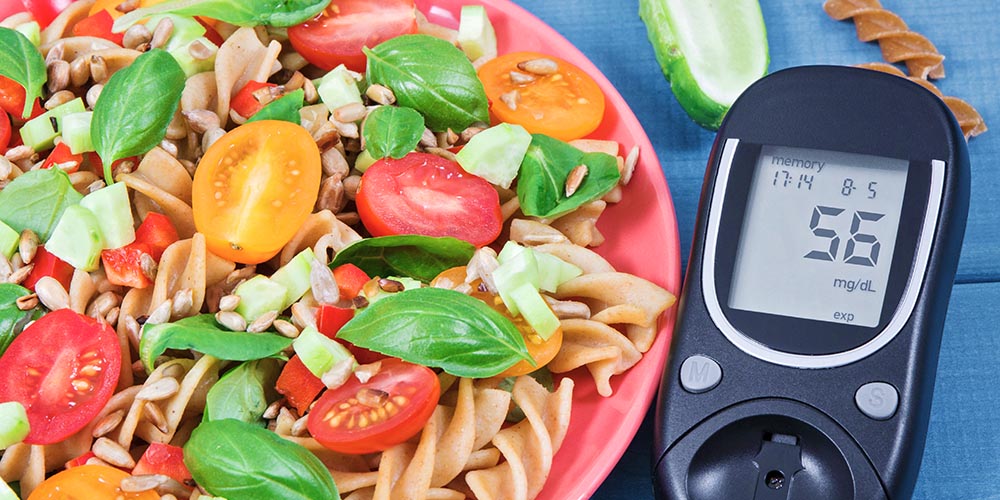
Dr. Edelman: What you’re experiencing is called reactive hypoglycemia (also known as postprandial hypoglycemia). Reactive hypoglycemia happens when your blood sugar drops a few hours after eating – usually about 2 to 4 hours later.
It typically occurs after meals or snacks that are high in sugar or refined carbs (like white rice, potatoes, candy, cake, etc…basically all the good stuff!). Your blood sugar shoots up so your pancreas releases insulin, but it incorrectly releases too much insulin and your blood sugar takes a nose dive.
Reactive hypoglycemia is different from the type of hypoglycemia that people with diabetes get when they’re on insulin or blood-sugar-lowering medications like sulfonylureas.
What Causes Reactive Hypoglycemia?
The short answer is, we don’t really know what causes reactive hypoglycemia. What we do know is that it can be an identifier of type 2 diabetes for those not yet diagnosed. Reactive hypoglycemia can happen during the early stages of insulin resistance and is an early sign that glucose regulation is changing.
People with prediabetes often have higher-than-normal insulin levels as the body tries to keep blood sugar in range. If something triggers an extra release of insulin, like intense exercise or eating sugary foods, the pancreas can overrespond, causing blood sugar to drop too low.
Triggers include high-carb/high sugar foods, but reactive hypoglycemia can also happen after certain types of weight loss surgery (such as gastric bypass or gastric sleeve), or in rare cases, from an endocrine tumor like insulinoma that secretes insulin.
What Are Reactive Hypoglycemia Symptoms?
Even though reactive hypoglycemia is different from traditional hypoglycemia, they do share similar symptoms.
Symptoms of reactive hypoglycemia include:
- Shakiness
- Sweating
- Feeling anxious or jittery
- Hunger
- Dizziness, lightheadedness, or trouble concentrating
- Fatigue
- Headache
When you have an episode of reactive hypoglycemia, you typically do not drop so low that you pass out.
How Is Reactive Hypoglycemia Diagnosed?
Your doctor will likely suggest that you get a fingerstick glucose meter or a CGM so you can see how low you get when you eat different types of foods.
A much more official way to make the diagnosis is to take a mixed-meal tolerance test (MMTT). The test involves drinking a high-calorie beverage that has protein, fat, and carbs that are meant to raise your blood sugar. Your provider will check your blood sugar and insulin levels multiple times over the course of several hours to see how you respond.
How to Treat Reactive Hypoglycemia
When you’re having a low blood sugar, eating a small amount of carbs (a piece of fruit, a few crackers, a small glass of juice, a small yogurt, etc) will help bring your blood sugar back up. Pairing carbs with protein or fat (like adding peanut butter to your crackers) can help stabilize blood sugar afterwards.
Reactive hypoglycemia can often be managed long-term with dietary tweaks. If you can, get a continuous glucose monitor so you can see which foods are triggers for you. You can get one over the counter and you don’t have to wear it 24/7 – it’s just kind of a nice way to see what’s going on.
Something to be aware of is that CGMs can sometimes be inaccurate and read artificially low. It might tell you you’re 50mg/dL when you’re really 65 mg/dL, so you can always double-check with a finger stick.
Smart Eating Strategies for Reactive Hypoglycemia
Focus on Balanced Meals with Low-Glycemic Foods
Meals that combine carbs, protein, fat, and fiber tend to raise blood sugar gradually. Slower digestion means insulin is released in a steadier way, which helps prevent large swings.
Avoid High-Sugar Foods and Highly-Refined Carbs
Foods like candy, soda, white bread, white rice, and pastries can be triggers for reactive hypoglycemia. If you do eat sweets, pairing them with protein or fat (like chocolate and peanut butter!) can help slow digestion.
Eat Smaller, More Frequent Meals
Eating smaller meals or snacks every 3–4 hours can help prevent large fluctuations in blood sugar. Everyone’s body reacts a little differently to food, so keeping track of what you eat along with any symptoms you experience can help you spot patterns.
Reactive Hypoglycemia: Key Takeaways
Reactive hypoglycemia is a blood sugar drop that happens a few hours after you eat, usually due to an exaggerated insulin response to high-carb or high-sugar foods.
Reactive hypoglycemia is manageable when you know what’s going on and why. Paying attention to how different foods affect your body, and focusing on balanced meals that include protein, fiber, and healthy fats, can help.
If you don’t already have a CGM, get one! CGMs take the guesswork out of what’s happening with your blood sugar so you can be better prepared, and you can now buy them over-the-counter. If hypos keep happening, talk to your healthcare team so you can figure out a game plan.
Now that you know how to test for and treat reactive hypoglycemia, go get a hot fudge sundae and see what your blood sugars do!
Be sure to explore our resource library and video vault, and subscribe to our monthly digital newsletter for more tips, tools, and expert guidance on how to take control of your diabetes.

Our goal is to protect your personal health information. Please keep your questions general and do not post personal medical information here. If you have a specific question, please email events@tcoyd.org.
It’s interesting how blood sugar can swing from very high to very low after a high-carb meal, and the advice about balanced meals and monitoring glucose is especially useful.