
Celiac disease is a serious autoimmune condition that can occur more often in people with type 1 diabetes. Find out how T1D and celiac are connected, why screening is important, and what to do if you do have a gluten sensitivity.
read more →
Celiac disease is a serious autoimmune condition that can occur more often in people with type 1 diabetes. Find out how T1D and celiac are connected, why screening is important, and what to do if you do have a gluten sensitivity.
read more →
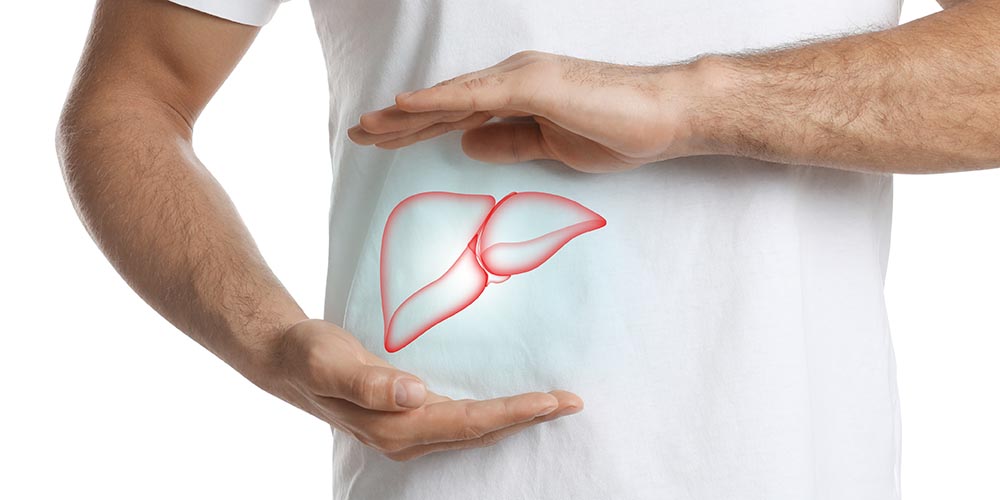
You can’t always feel chronic inflammation, but it serves as the foundation for the development of heart, kidney, and liver disease. The good news is that keeping inflammation in check may be easier than you think. Learn how everyday habits can fuel the fire or put it out.
read more →
Flu season is here, but if you have diabetes, those body aches or stomach troubles might not be the flu at all – they could be signs of diabetic ketoacidosis (DKA). Because DKA can look a lot like the flu, it’s easy to miss the red flags until it’s too late. Here’s how to spot the difference.
read more →
Exocrine Pancreatic Insufficiency (EPI) is a condition where the pancreas does not produce enough digestive enzymes to properly break down and absorb nutrients from food. This can lead to symptoms such as diarrhea, weight loss, and fatty stools. Treatment often requires enzyme replacement therapy with meals.
read more →
Call it what you may – roughage, bulk, nature’s laxative- fiber comes in many forms and serves a lot of important health purposes. RD Janice Baker breaks down the different types of fiber and explains how fiber-rich foods keep our digestive system on track.
read more →