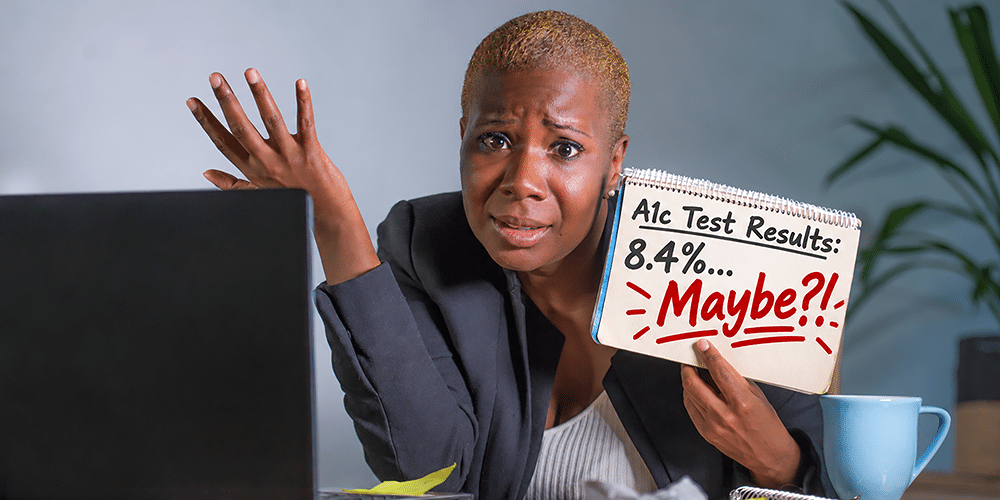
We rely on our A1c test to let us know how we’re doing with diabetes, and our doctors rely on it to make treatment decisions. But there are many reasons why your test could read falsely high or falsely low…and it could be off by nearly 1%!
read more →There’s a lot more to type 2 diabetes than meets the eye…it’s a very complex condition with more biological causes than you might think. Understanding the influences that can lead to type 2 diabetes can help reshape misconceptions and make it easier to navigate treatment.
read more →Up to 90% of people diagnosed with type 1 diabetes don’t have a family history of the condition. However, if you have a first-degree family member with type 1, you’re up to 15 times more likely to develop it too. So why aren’t more people screening? Learn the top 7 barriers to screening and how to overcome them.
read more →A groundbreaking research program in North Carolina is screening newborns for a variety of conditions, including T1D. This unique program uses advanced genetic testing, and scientists there are hoping to use DNA research to predict more accurately who may develop T1D based on genetics.
read more →Screening for type 1 diabetes is important for people with a family history of the condition, but anyone at any age (and with no family history) can develop type 1 at any time. Screening can detect risk factors long before symptoms develop, offering people valuable time to become educated about the condition and treatment therapies.
read more →