


Reading Time: 3 minutes
A Short History of Type 2 Diabetes
For thousands of years, diabetes was a medical mystery. An ancient Egyptian document written around 1500 BCE described people who passed unusually large amounts of urine – almost certainly an early observation of diabetes.
Much later, physicians discovered that the urine of people with diabetes contained sugar. But they did not yet understand that diabetes was not one disease, but several different diseases with the same basic result: too much glucose in the bloodstream.
The discovery of insulin in the early 1920s transformed diabetes care. Then, in 1936, British physician Sir Harold Himsworth described two broad forms of diabetes: one caused mainly by a shortage of insulin and another in which the body did not respond normally to insulin. He called them “insulin-sensitive” and “insulin-insensitive” diabetes – the early foundation for what we now call type 1 and type 2 diabetes.
Today we understand that type 2 diabetes does not have one single cause. It usually develops through a combination of inherited susceptibility, insulin resistance, environmental and lifestyle influences, and a gradual decline in the pancreas’s ability to make enough insulin.
Insulin Resistance and Type 2 Diabetes
In many people, the first major step toward type 2 diabetes is insulin resistance.
Insulin resistance means that the muscles, liver, and fat tissue do not respond as effectively to insulin, which normally allows glucose, broken down from the food we eat, into the cells for utilization and energy production.
Insulin resistance makes the pancreas secrete more and more insulin to keep the glucose levels normal, but only for a limited amount of time.
At first, the pancreas usually succeeds. A person may have normal glucose levels but unusually high insulin levels for many years. Eventually, however, the beta cells may be unable to keep producing enough insulin to overcome the resistance.
Blood glucose then begins to rise – first into the prediabetes range and later into the diabetes range. It is only when the glucose levels rise and cause symptoms like thirst and urination that the individual is diagnosed with diabetes. This process can take years!
Insulin resistance and type 2 diabetes are often associated with excess weight, particularly fat stored deep inside the abdomen and around organs such as the liver. Physical inactivity, aging, poor sleep, certain medications, hormonal conditions, and genetics can also contribute.
Although about 90% of people diagnosed with type 2 diabetes are overweight, body size does not always tell the story. Some people with obesity never develop diabetes, while some thin or moderately overweight people do. The crucial question is whether an individual’s beta cells can produce enough insulin to meet that person’s needs.
Genes and Type 2 Diabetes: Heredity Plays an Important Role

Type 2 diabetes runs strongly in families, but there is no single “type 2 diabetes gene.” Scientists have identified many genetic variations that can influence insulin sensitivity, fat storage, appetite, liver metabolism, and the ability of pancreatic beta cells to make insulin.
You do not directly inherit type 2 diabetes in the same way you inherit your eye color. You inherit a greater or lesser susceptibility to developing it.
A person with a strong type 2 diabetes family history may develop type 2 diabetes despite being active and only mildly overweight. Another person may have several risk factors but never develop diabetes because their beta cells can continue producing enough insulin.
Having a parent or sibling with type 2 diabetes is a strongly recognized risk factor, but it is not a guarantee that you will develop it.
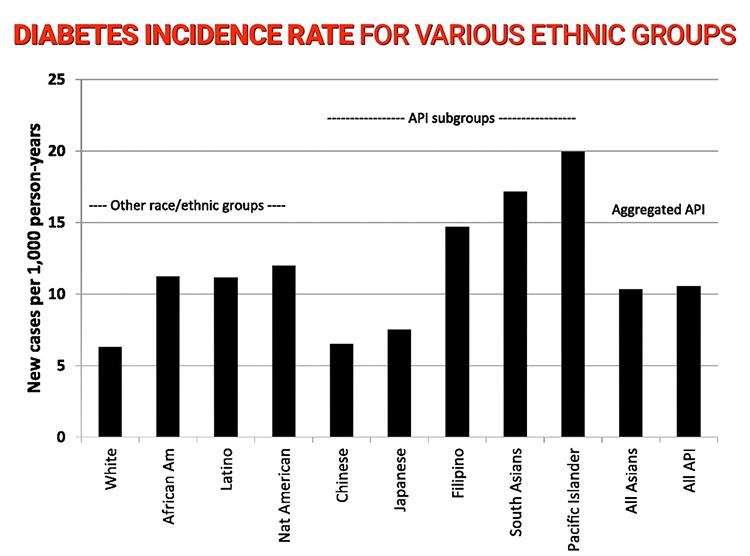
Why Does Ethnicity Influence Risk?

In the United States, type 2 diabetes is more common in the following populations:
- African American
- Alaska Native
- American Indian
- Asian American
- Hispanic/Latino
- Native Hawaiian
- Pacific Islander
Some of this increased risk is related to inherited biology. For example, certain populations may develop insulin resistance or accumulate fat around internal organs at a lower body weight. This is why type 2 diabetes can occur in some Asian people whose weight would not traditionally be considered high.
But genetics is only part of the explanation. Access to nutritious food, safe places to exercise, preventive healthcare, education, income, chronic stress, and other social factors also affect diabetes risk. Ethnic background should therefore be viewed as a clue to risk—not as a biological destiny or a judgment about someone’s behavior.
Metabolic Syndrome and Type 2 Diabetes
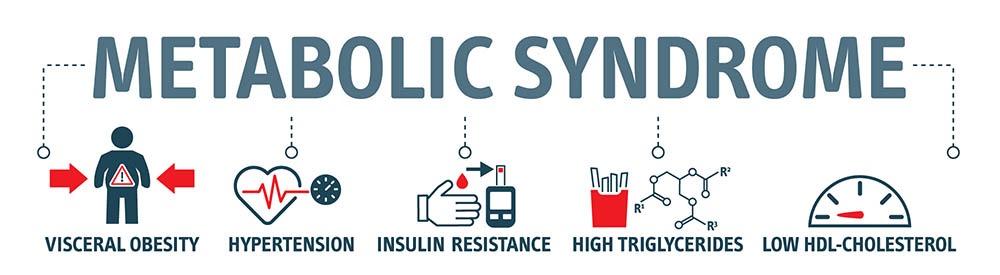
Insulin resistance frequently appears as part of a group of related problems called the metabolic syndrome. Its major features are below, and make up what we call cardiovascular risk factors:
- Increased fat around the waist
- Elevated blood glucose
- High blood pressure
- High triglycerides
- Low HDL, sometimes called the “good” cholesterol
A person is generally considered to have metabolic syndrome when at least three of these features are present. This cluster raises the risk of developing type 2 diabetes, heart disease, stroke, and fatty liver disease.
These risk factors are treatable and negative outcomes can be prevented, but it takes a level of awareness by the person with diabetes and the healthcare provider.
Type 2 Diabetes Disease Progression

When insulin resistance develops, the pancreatic beta cells initially try to compensate by making extra insulin. This is sometimes called “beta-cell exhaustion” or “progressive beta cell dysfunction”.
In addition, the function of the beta cells can deteriorate because of a combination of genetic susceptibility, prolonged excessive glucose levels, and obesity that leads to inflammation and aging.
This type 2 diabetes disease progression explains why someone may initially control type 2 diabetes with food choices and physical activity, later require one or more medications, and eventually need GLP-1s and/or insulin. Needing insulin does not mean that the person “failed.” It usually means that the biology of the disease has changed.

Our goal is to protect your personal health information. Please keep your questions general and do not post personal medical information here. If you have a specific question, please email events@tcoyd.org.