


What Is Inflammation, Anyway?
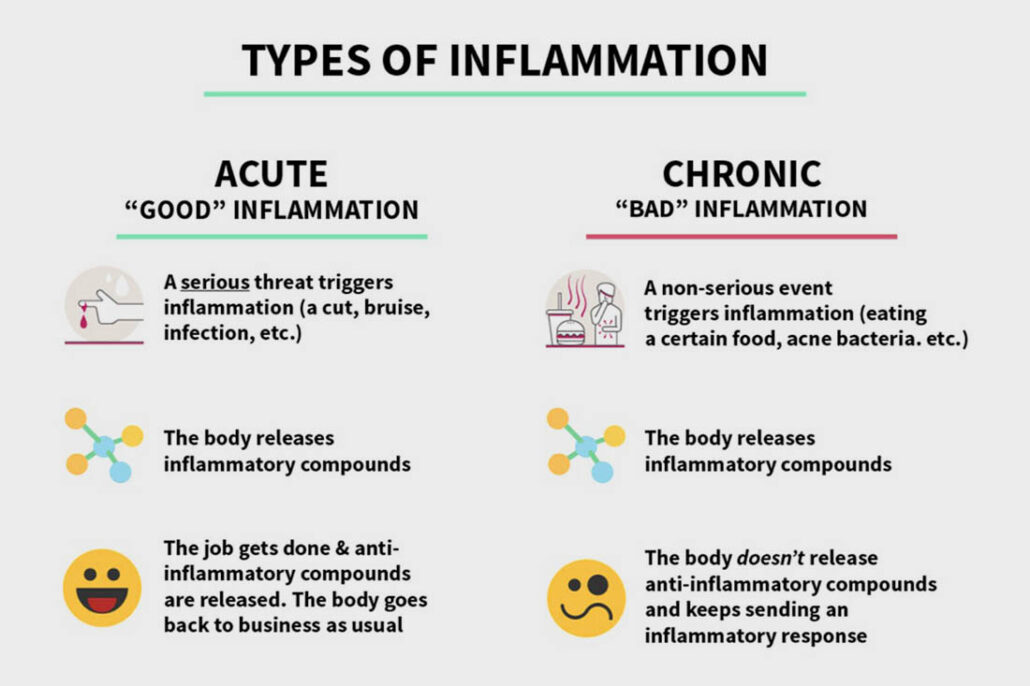
Inflammation is your body’s natural defense mechanism against harmful “invaders” like viruses, toxins, or injuries. It’s the immune system’s way of healing and protecting your body. There are two types of inflammation:
Acute Inflammation
This is short-term inflammation that happens when you have an injury or get sick, and it helps your body heal.
Chronic Inflammation
This is long-term, low-grade inflammation that can last for months and even years. It contributes to tissue damage, insulin resistance, and metabolic dysfunction. Chronic inflammation plays a central role in many diseases, not just diabetes.
The things you do every day, like what you eat, how you move, how stressed you are, and how well you sleep can either calm inflammation down or fire it up.
What Causes Chronic Inflammation?
Several factors can contribute to chronic inflammation, especially in people living with diabetes:
- High Blood Sugar: Chronically elevated glucose can put stress on your cells and trigger inflammation. Over time, this can make it harder for insulin to work well, leading to insulin resistance.
- Poor Diet: Diets high in processed foods, refined sugars, trans fats, and omega-6-rich oils promote inflammation.
- Excess Body Fat: Abdominal or visceral fat releases molecules that can cause inflammation. People with higher levels of central adiposity (belly fat) are more likely to develop insulin resistance and type 2 diabetes. Excess body fat can also trigger and exacerbate heart, kidney and liver disease.
- Physical Inactivity: Sedentary lifestyles contribute to inflammation and insulin resistance. Regular exercise helps reduce inflammation, improves how your body handles blood sugar, and can help reduce belly fat.
- Chronic Stress: Stress and inflammation go hand in hand. Stress increases cortisol, which can make inflammation worse. Cortisol helps various organ systems function, and it plays a role in controlling blood sugar, immune response, fat stores, muscle quality, bone density, blood pressure, blood clotting, emotions, sleep, and weight. However, excess levels of cortisol over the long term can lead to serious health consequences when these “normal” functions are adversely affected. This state of chronically elevated cortisol is known as hypercortisolism.
- Low-Quality Sleep: When you don’t get enough deep, restorative sleep, it disrupts your body’s normal repair processes and boosts the production of stress hormones, which put your immune system into a constant “on” position.
- Smoking and Alcohol: Both tobacco use and excessive alcohol intake are inflammatory and can contribute to insulin resistance and vascular damage.
The Inflammation and Diabetes Equation: How Does Inflammation Affect People with Diabetes?
When your body is stuck in a constant state of low-grade inflammation, it can interfere with how insulin works. This makes your cells less responsive to insulin, leading to insulin resistance and making blood sugar harder to manage. Over time, chronic inflammation can also damage healthy cells and tissues, causing scarring and disrupting how organs function.
Because inflammation can affect the whole body, it increases the risk of serious health problems, including heart disease, diabetes complications, and even some cancers.
How Inflammation Affects Different Organs:
- Heart & Blood Vessels: Inflammation can damage the lining of blood vessels and contribute to plaque buildup in the arteries, raising the risk of heart disease and stroke.
- Brain & Nervous System: It can weaken the protective blood–brain barrier, leading to fatigue, brain fog, memory problems, and mood changes like depression.
- Lungs: Ongoing inflammation in the airways can cause excess mucus, chronic coughing, and breathing issues.
- Gut: Inflammation can contribute to conditions like Crohn’s disease, ulcerative colitis, inflammatory bowel disease, acid reflux, diarrhea, and constipation.
- Kidneys: It can damage the kidneys’ filtering system, leading to scarring, reduced kidney function, and chronic kidney disease – especially in people with diabetes or high blood pressure.
- Liver: Inflammation can irritate the liver and cause scar tissue (fibrosis). If this scarring builds up over time, it can progress to cirrhosis, where the liver can’t work properly.
Signs You Might Have Chronic Inflammation
Unlike acute inflammation that happens after an injury or when you’re sick, chronic inflammation doesn’t usually have obvious symptoms.
However, some subtle signs may include:
- Fatigue or low energy
- Body aches
- Brain fog
- Frequent infections or slow wound healing
- Digestive issues
- Joint stiffness or mild aches
How to Test for Chronic Inflammation
The best way to know if you have inflammation (and to what degree) is through a lab test.
The two most common tests are:
- C-reactive protein (CRP): Measures a protein the liver produces in response to inflammation
- Erythrocyte sedimentation rate (ESR): Measures how quickly red blood cells settle to the bottom of a test tube – a faster rate indicates inflammation
Diet and Inflammation: What Helps and What Hurts?

What you put on your plate can play a major role in either fanning the flames of inflammation or calming them down.
Foods That Increase Inflammation (Aka: The “Enjoy Occasionally” List)
Processed and Refined Sugars
Foods high in refined sugar can spike blood sugar quickly, which triggers the release of pro-inflammatory cytokines (small proteins that control the immune response). Examples are regular soda, sports drinks, energy drinks, candy, cakes, cookies, commercially baked goods, and sugary cereals.
Refined Carbs
Not all carbs are created equal. Whole grains, beans, and vegetables provide fiber and nutrients, but refined carbs are stripped of their fiber and nutrients during processing. Examples are white bread, bagels, muffins, pancakes, white pasta, crackers, chips, cookies, candy, and pastries.
Fried Foods and Trans Fats
Fried foods are often loaded with unhealthy fats. Trans fats are among the worst offenders for inflammation. Even though many companies have phased out artificial trans fats, they’re still in some processed snacks, margarines, and fried fast foods. Examples are fried chicken, French fries, onion rings, doughnuts, and packaged baked goods made with partially hydrogenated oils.
Red Meat and Processed Meats
Lean, unprocessed red meat in moderation may not be a big problem, but frequent consumption of red meat and pork, especially processed forms, has been linked to increased inflammation. Examples are bacon, sausage, pepperoni, hot dogs, and deli meats.
Excessive Alcohol
Enjoying a glass of wine now and then is usually fine for most people, but excessive alcohol consumption can fuel inflammation. Chronic heavy drinking can lead to conditions such as fatty liver disease and pancreatitis, both strongly linked to inflammatory damage.
Anti-Inflammatory Foods: Dig In!
When it comes to diet and inflammation, nutrition is an area that can move the needle in your favor when you support your body with healthy foods. Anti-inflammatory foods provide nutrients, antioxidants, and compounds that help regulate the immune system, reduce oxidative stress, and promote healing. Below are just a few examples of anti-inflammatory foods.
Fruits and Vegetables
Fruits and veggies are packed with antioxidants, vitamins, minerals, and fiber, and are some of the most effective anti-inflammatory foods around. Examples are berries (blueberries, strawberries, raspberries), leafy greens (spinach, kale, and Swiss chard), and cruciferous veggies (broccoli, Brussels sprouts, and cauliflower).
Whole Grains
Whole grains are generally high in fiber, antioxidants, and other nutrients. Examples are oats, quinoa, brown rice, and barley.
Fatty Fish
Fatty fish are rich in omega-3 fatty acids, which have powerful anti-inflammatory effects. Examples are salmon, sardines, trout, and mackerel.
Nuts and Seeds
Nuts and seeds provide healthy fats, plant-based protein, and anti-inflammatory compounds. Examples are almonds, walnuts, chia seeds, flaxseeds, hemp seeds, and walnuts.
Legumes
Legumes like beans and lentils contain fiber and antioxidants, and they can replace more inflammatory animal proteins. Examples are black beans, kidney beans, pinto beans, navy beans, lentils, and chickpeas.
Fermented Foods
Fermented foods promote a healthy gut microbiome. Probiotics from these foods can help reduce inflammation. Examples are yogurt, kefir, sauerkraut, kimchi, and miso.
Dark Chocolate
Dark chocolate (at least 70% cocoa) is loaded with flavanols that can reduce inflammation. Make sure to choose high-quality chocolate with minimal added sugar.
Olive Oil
Olive oil is rich in monounsaturated fats and phenolic compounds. Replacing butter or margarine with olive oil in cooking or as a salad dressing is an easy way to boost anti-inflammatory fats.
Green Tea
Green tea contains natural compounds that help fight inflammation and protect your cells from damage. Regular consumption has been linked to lower risks of heart disease, cancer, and other inflammation-related conditions.


Our goal is to protect your personal health information. Please keep your questions general and do not post personal medical information here. If you have a specific question, please email events@tcoyd.org.
Inflammation is a hot word I hear all the time, but haven’t completely understood except knowing it’s “bad.” Thank you for all the specific info you gave here, very helpful and important!
Very glad to hear it – thank you for your comment! 🙂
Many studies also indicate the use of the spice “Tumeric” as to reduce the bodies inflammatory response to stress.
There are a lot of supplements out there with a lot of claims. Many supplement companies do have “studies” in their advertisements. I claim ignorance with this particular supplement, however I’ve never heard it mentioned as a real way to reduce inflammation. I stick to the FDA-approved methods.
This is great information. Thank you. I, very, very unfortunately cannot take GLP-1 meds; can Metformin reduce inflammation?
Several studies say yes, it does have anti-inflammatory effects:
https://www.ahajournals.org/doi/10.1161/circresaha.116.308445
https://pmc.ncbi.nlm.nih.gov/articles/PMC7880161/
https://pmc.ncbi.nlm.nih.gov/articles/PMC10680465/
Very grateful for all your dedication passing this important information to us diabetics. Sometimes it seems like an endless pit trying very hard to keep control. Thank you
Having had diabetes myself for over 55 years, and communicating with all the folks who visit us at TCOYD online, you are not alone out there. So God bless you, and hang in there.