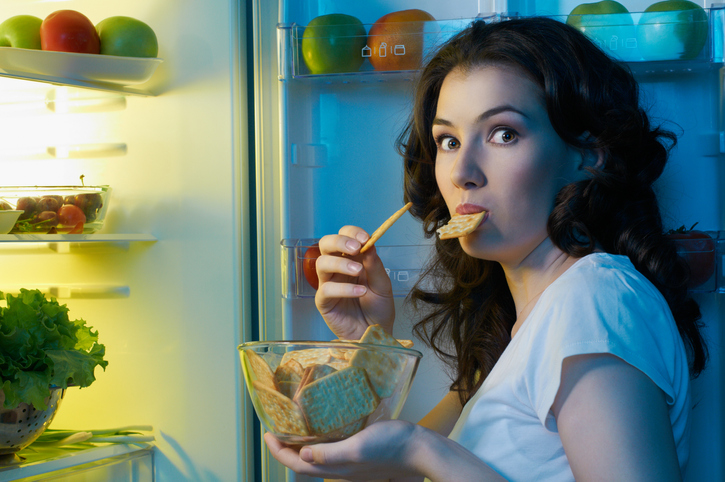
Cold pizza, stale chips, Girl Scout cookies, Cheerios – nothing is off limits when a low blood sugar hits and you’re on a mission to feed it. Ginger Vieira shares three tips to help prevent and avoid the low blood sugar feeding frenzy (and ensuing blood sugar roller coaster).
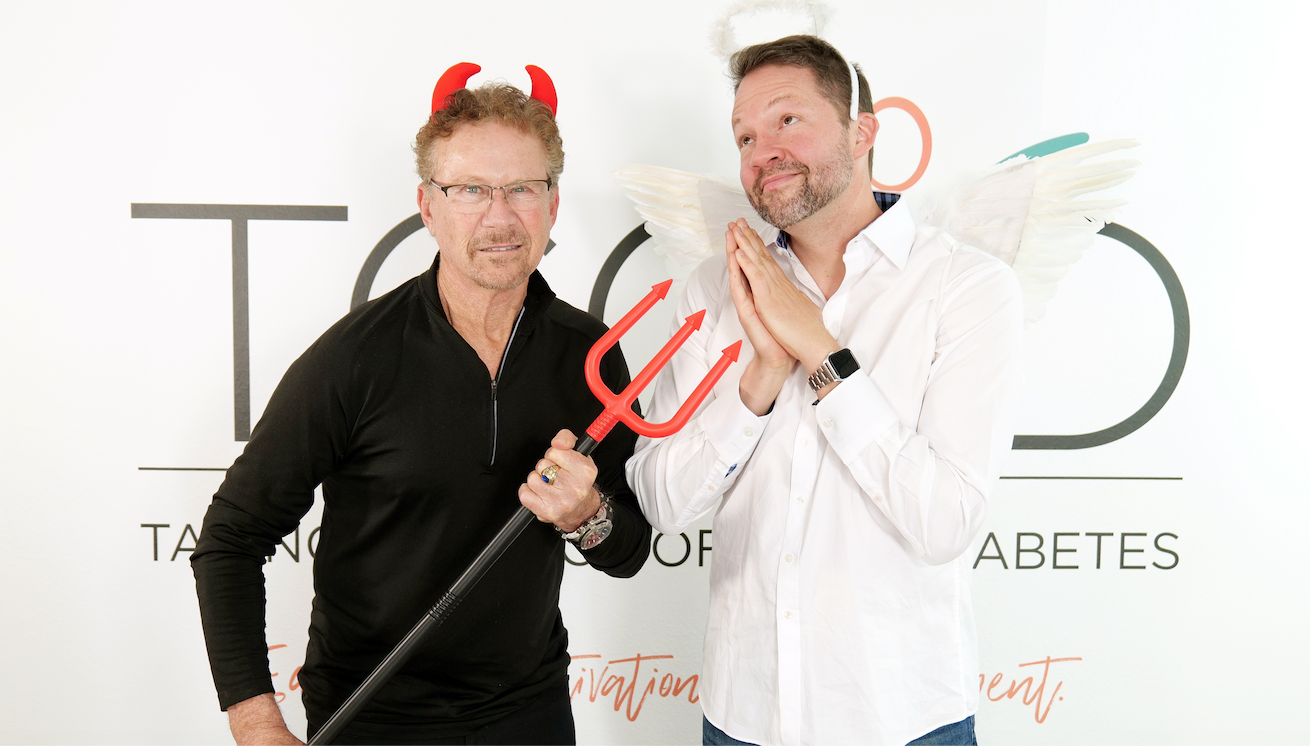
[read_more text="read more" title="read more" url="https://tcoyd.org/2021/04/how-to-break-the-low-blood-sugar-binge/" align="left"]Who do you relate to more when it comes to diabetes management? An angel who follows the recommended guidelines (Jeremy/Gallant), or a stubborn hellion easily influenced by temptation (Steve/Goofus)? Check out some of these scenarios from Dr. E. and see if you are who you think you are.
[read_more text="read more" title="read more" url="https://tcoyd.org/2021/01/the-goofus-and-gallant-of-diabetes/" align="left"]Are your blood sugars unexplainably high in the early morning hours? If you’re a teen or young adult with diabetes, it could be the dawn phenomenon.
[read_more text="read more" title="read more" url="https://tcoyd.org/2020/10/https-tcoyd-org-2020-10-dawn-phenomenon/" align="left"]Dr. Edelman offers a solution for “Foot to Floor” phenomenon, which is a very common situation in people with diabetes who are on insulin, and occurs when blood sugars rise upon waking.
[read_more text="read more" title="read more" url="https://tcoyd.org/2020/07/how-to-manage-foot-to-floor-phenomenon/" align="left"]It’s normal for blood sugar to rise after eating, but if the spike is too high it can affect your mood in the moment and contribute to health problems down the road. Here are a few strategies to keep it under control.
[read_more text="read more" title="read more" url="https://tcoyd.org/2019/10/strike-the-spike-controlling-blood-sugars-after-eating/" align="left"]